
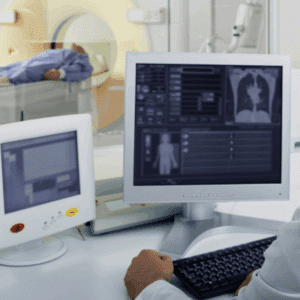
Understanding Your Imaging Procedure
Before your appointment, it’s important to know what to expect during medical imaging based on the type of study you will undergo:
- X-rays: Quick and non-invasive, X-rays are commonly used to examine bones, lungs, or teeth. Minimal preparation is required, but knowing what to expect helps patients stay calm.
- CT Scans: These scans provide detailed cross-sectional images and may require fasting or contrast material. Learning what to expect during medical imaging ensures you follow instructions correctly.
- MRI: MRI uses strong magnets to produce detailed images. Patients need to remove metal objects, and some may require contrast dye. Understanding what to expect helps reduce anxiety.
- Ultrasound: Often used for abdominal, pelvic, or vascular imaging, ultrasound may require fasting or a full bladder. Knowing what to expect during medical imaging ensures preparation is accurate.
Scheduling and Documentation
When scheduling your appointment, gather your referral, prior imaging studies and a list of medications and allergies. Having this information helps your radiologist provide accurate care and contributes to knowing what to expect during medical imaging. Arriving early allows time to complete paperwork and review instructions, making the experience smoother.
Fasting and Hydration Guidelines
Some imaging procedures require fasting or dietary adjustments. For example, CT scans with contrast often require several hours of fasting. Staying hydrated is usually encouraged unless instructed otherwise. Following these instructions helps patients know what to expect during medical imaging and ensures high-quality images.
Clothing and Personal Items
Comfortable, loose-fitting clothing is important. Metal accessories such as jewelry, hairpins, or watches must be removed. Knowing what to expect during medical imaging includes understanding clothing requirements for safety and image clarity. For children or anxious patients, bringing a comfort item can help.
Contrast and Sedation
Some procedures use contrast agents to improve image quality. Patients should inform the technologist about allergies or kidney issues. In some cases, sedation may be recommended for children or patients who cannot remain still. Understanding what to expect during medical imaging includes knowing if contrast or sedation will be involved.
Questions to Ask Your Radiologist
Preparing questions for your radiologist can help you feel confident about the process. Examples include:
- What will the imaging procedure involve?
- Are there any risks or side effects?
- When and how will I receive results?
Asking questions ensures you understand what to expect during medical imaging and helps reduce stress.
After Your Imaging Appointment
After your imaging study, follow any post-procedure instructions provided by the technologist or referring physician. Most imaging studies do not require downtime, allowing patients to return to normal activities quickly. Knowing what to expect during medical imaging includes understanding any follow-up steps.
Patient-Centered Care at Medical Center Radiologists
At Medical Center Radiologists in Hampton Roads, VA, our team focuses on patient comfort and safety. By explaining each step, we ensure patients know what to expect during medical imaging, reducing anxiety and improving the overall experience. Our expert radiologists review images promptly and provide detailed reports to your referring physician.
Understanding what to expect during medical imaging is key to a smooth, safe and efficient experience. From preparation to post-procedure care, knowing the process helps patients feel informed and confident. At Medical Center Radiologists, we are dedicated to guiding patients through every step of their imaging appointment so they know exactly what to expect during medical imaging and can receive the highest quality care.